SEO (Search Engine Optimization) is one of the most powerful digital marketing strategies that helps websites appear higher on search engines like Google. If your website is not optimized for search engines, your potential customers may never find you.
In this guide, you will clearly understand What SEO is and Why it is important for businesses, bloggers, and websites.
What Is SEO?
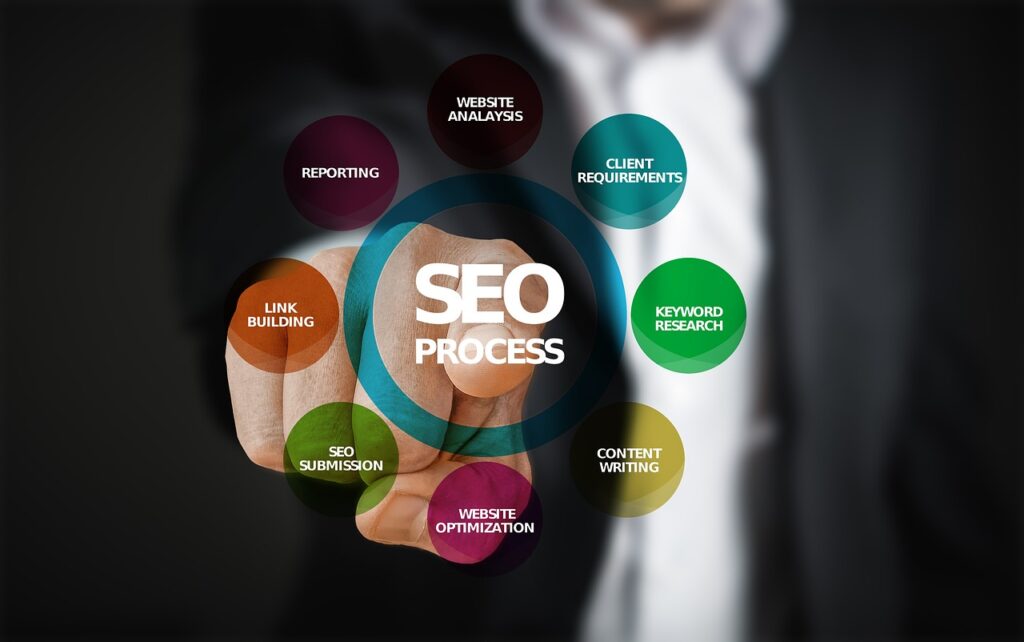
Search Engine Optimization is the process of improving a website’s visibility in organic (non-paid) search engine results. When users search for information, products, or services online, its helps your website rank higher by optimizing content, structure, and performance.
SEO focuses on:
- Understanding User Search Intent
User search intent explains why someone performs a search—whether to learn, compare options, or make a decision. Creating content that matches this intent helps answer user needs clearly, improves engagement, reduces bounce rates, and attracts visitors who are more likely to take action.
Creating Valuable Content
Valuable content is informative, relevant, and useful to users. High-quality articles, guides, and landing pages that answer real questions keep visitors engaged and are rewarded with better visibility and long-term traffic growth.
Improving Website Performance
Website performance includes fast loading speed, mobile compatibility, secure connections, and a clean structure. A well-performing site improves user experience and allows search engines to crawl and index pages more efficiently, leading to better engagement and rankings.
Building Authority and Trust
Search engines favor websites that show expertise, reliability, and credibility. Consistent quality content, strong backlinks, and positive user behavior help build trust, improve visibility, and strengthen long-term online reputation.
Why Is SEO Important?
Key Benefits of SEO:
1. Increases Website Visibility
SEO helps your website appear in search results when people look for products or services related to your business. Higher rankings mean more visibility, ensuring your brand is discovered by the right audience at the right time.
2. Drives Organic Traffic
By optimizing content and website structure, search engines can easily understand and rank your pages. This brings consistent, unpaid traffic that grows over time without ongoing advertising costs.
3. Builds Brand Credibility
Websites that appear at the top of search results are often seen as more reliable and trustworthy. Strong content and authoritative signals help position your brand as an expert in your industry.
4. Improves User Experience
Optimized websites load faster, work smoothly on mobile devices, and are easy to navigate. A better experience keeps visitors engaged, reduces bounce rates, and encourages them to take action.
5. Generates Quality Leads
It attracts users who are actively searching for solutions, making the traffic more relevant. This increases the chances of converting visitors into leads or customers.
6. Delivers Long-Term Results
Unlike paid promotions that stop when the budget ends, optimization efforts continue to bring traffic and visibility over time, offering lasting benefits.
7. Cost-Effective Marketing Approach
Once your website ranks well, it can generate steady traffic without paying for every click. This makes it a smart and sustainable investment with strong long-term returns.
Types of SEO
Understanding the different types of SEO helps you create a strong and complete optimization strategy.
1️⃣ On-Page
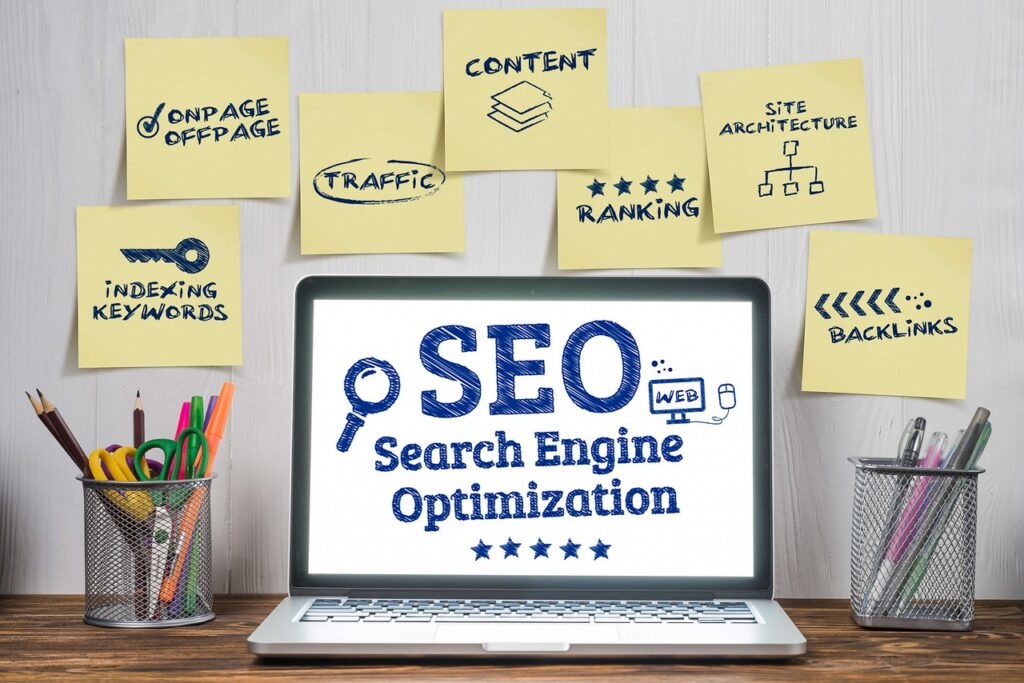
On-page refers to optimizing elements within your website pages.
Includes:
- Keyword optimization
- Title tags & meta descriptions
- Headings (H1, H2, H3)
- Image optimization
- Internal linking
- High-quality content
Goal: Help search engines understand your content clearly.
2️⃣ Off-Page
Off-page focuses on activities outside your website to improve authority and trust.
Includes:
- Backlink building
- Brand mentions
- Guest blogging
- Social sharing
- Influencer outreach
Goal: Increase website credibility and domain authority.
3️⃣ Technical
Technical ensures that search engines can crawl and index your website easily.
Includes:
- Website speed optimization
- Mobile responsiveness
- HTTPS security
- XML sitemaps
- Structured data (schema)
- Fixing crawl errors
Goal: Improve website performance and indexing.
4️⃣ Local
Local helps businesses appear in location-based searches.
Includes:
- Google Business Profile optimization
- Local keywords
- NAP consistency (Name, Address, Phone)
- Local citations
- Customer reviews
Goal: Attract nearby customers.
5️⃣ E-commerce
E-commerce is designed for online stores to rank product and category pages
Includes:
- Product page optimization
- Keyword-rich descriptions
- User reviews
- Site structure optimization
- Schema for products
Goal: Increase product visibility and sales.
6️⃣ Content
Content focuses on creating valuable, informative, and engaging content.
Includes:
- Blog writing
- Keyword research
- Content optimization
- Answering user questions
- Featured snippet optimization
Goal: Match search intent and rank for multiple keywords.
FAQ’s
What is SEO in simple words?
SEO is the process of optimizing your website so it appears higher on Google search results and gets more visitors.
Why is SEO important for a website?
SEO increases visibility, organic traffic, credibility, and helps websites attract the right audience.
How does SEO help a business?
SEO helps businesses reach potential customers, generate leads, and increase sales without paid advertising.
Is SEO better than paid advertising?
SEO provides long-term results, while paid ads stop once the budget ends. Both work best when combined.
How long does SEO take to show results?
SEO usually takes 3 to 6 months to show noticeable improvements depending on competition and strategy.
What are the main types of SEO?
The main types of SEO are On-page SEO, Off-page SEO, Technical SEO, Local SEO, E-commerce SEO, and Content SEO.
Can beginners do SEO?
Yes, beginners can learn and implement basic SEO, but advanced SEO requires experience and tools.